
You Are Not What You Used to Do
What’s left of you when the title, the rank, or the job disappears?

Somebody asks you what you do, at a conference or a happy hour or the first five minutes of a networking event you didn’t want to attend. You answer with your title. Maybe your rank, if it’s still relevant. Maybe the company, the role, the thing on the business card. Maybe you just say “retired,” and brace for whatever comes next.
Then they ask a follow up question that isn’t really about your job at all. Something like, “so who are you outside of that?” And you go quiet for a second longer than feels comfortable, because you genuinely don’t know how to answer without reaching for another title.
That pause is the tell. It means the answer to “who are you” got built entirely out of the answer to “what do you do,” and nobody noticed until someone else asked the second question out loud.
The Quake
My observation has been that men and women both build identity out of what we do. That part isn’t new. What differs is how it feels once the doing stops.
In the men I’ve watched go through it, this tends to show up in one place at a time. The job goes, and he goes quiet for a time because he doesn’t know who he is without the boots or the badge or the corner office. It’s visible. It has an obvious cause.
In the women I know, myself included, who’ve built a career out of rank, mission, or performance, the same pull runs underneath several roles at once, and it rarely announces itself as a single loss. It shows up as a low hum under everything: the performer, the leader, the one who’s always steady, the one who never asks for help.
The inadequacy doesn’t sound like “I don’t know who I am without my job.” It sounds quieter, like “I don’t know why I feel like I’m failing at everything when I’m doing all of it (and pretty darn well, or better than a lot of others).”
Same root. Different texture, at least from where I sit.
What Andy Said
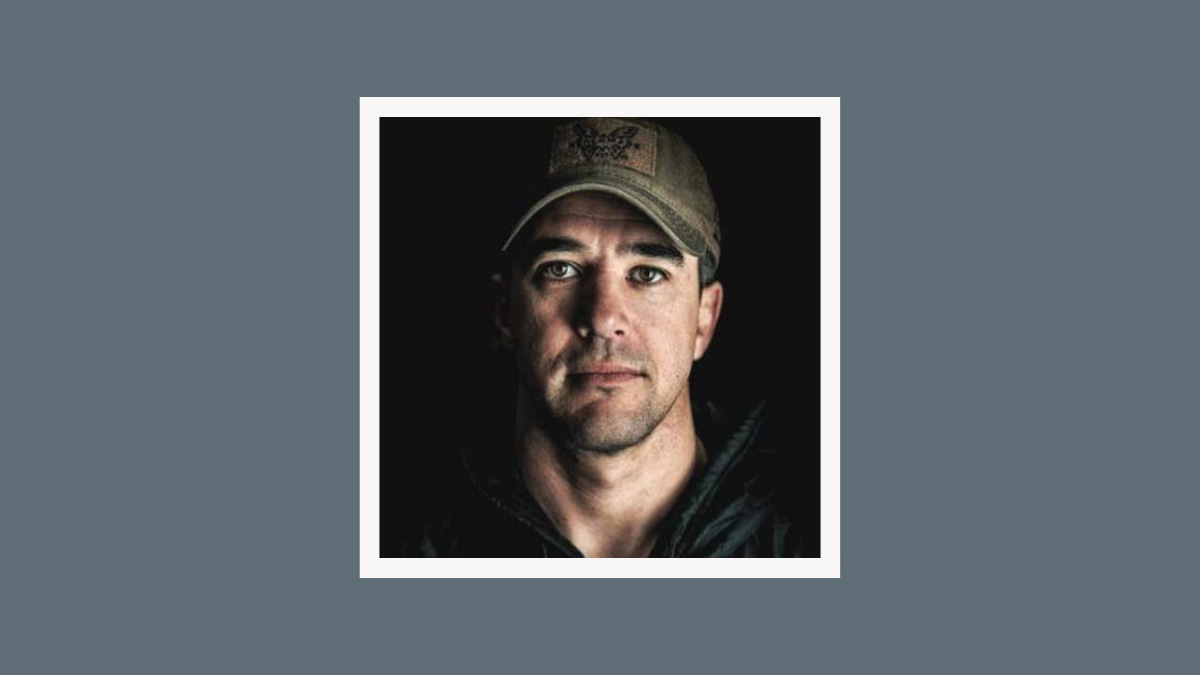
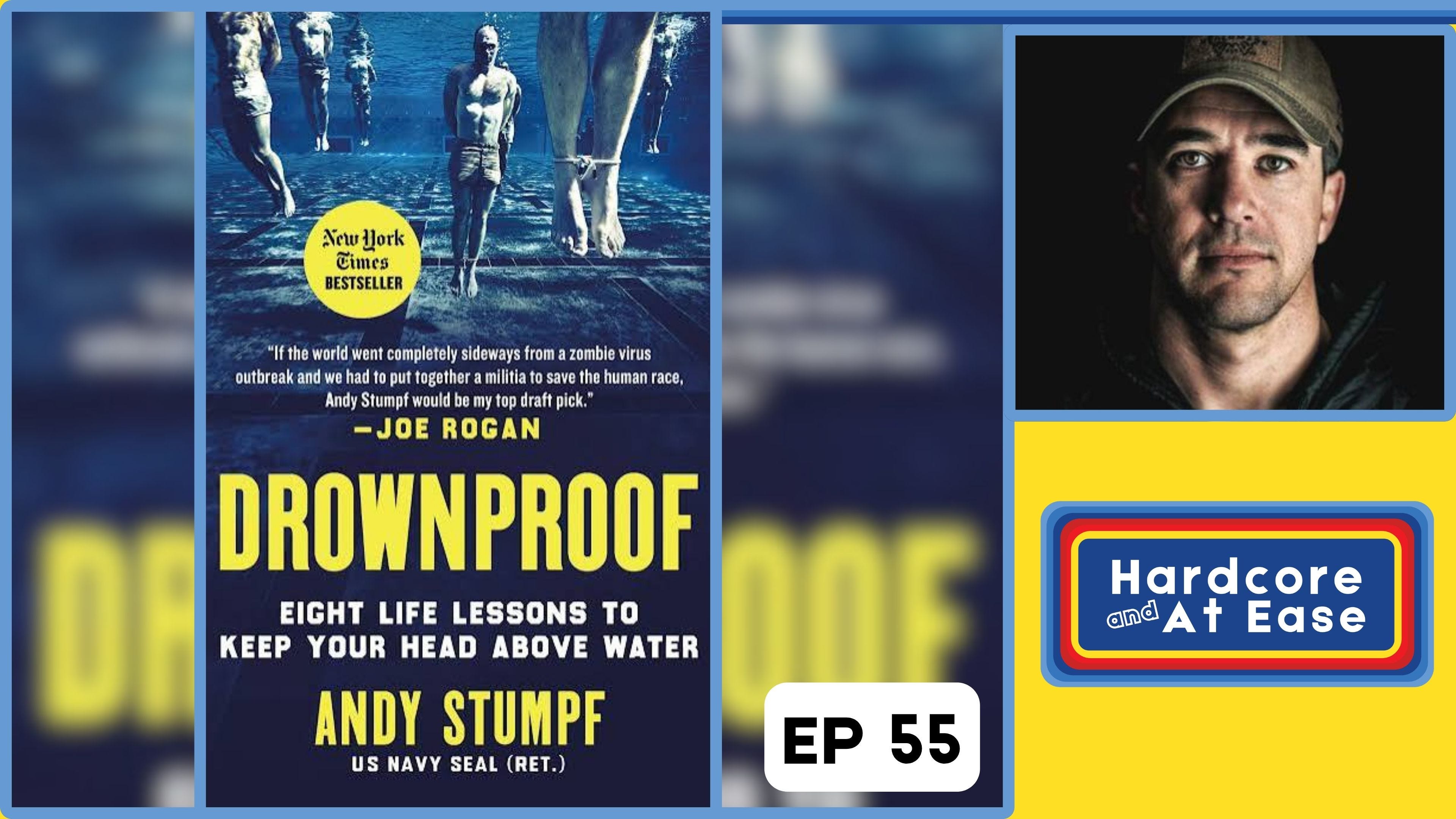
My guest on the show a few weeks back was Andy Stumpf, a former Navy SEAL, six years on SEAL Team Six, a guy who took a bullet on deployment and still went on to write a bestseller. I asked him to rank his own life in order. The teams went to the bottom of the page. Husband and father went to the top.
Near the end of that conversation I asked him what he’d tell a young man trying to figure out who he wants to be. His advice was to be patient. Then he said the line I haven’t stopped turning over since: “You are not what you used to do.”
That sentence works on a career. It works on a rank you no longer hold. It works on a version of yourself you’re grieving right now and haven’t said out loud to anyone.
The Terrain
Here’s where the wilderness comes in, because this isn’t a wound that closes. It’s terrain, and you learn to walk it instead of waiting to get through it.
A wildflower doesn’t grow because the ground was easy. It grows in disturbed soil, cracked pavement, land that just got cleared by fire. The bloom isn’t evidence that the terrain was gentle. It’s evidence that something took root anyway.
That’s not a metaphor I’m reaching for to make this feel better. It’s the actual shape of what happens when your title gets stripped away and you find out something in you is still standing.
You are not the mission you ran. You are not the last rank you held or the org chart you used to sit on. Those things mattered. They are not the whole terrain.
The Assignment
This week, somewhere quiet, write your life in order the way Andy did. Your chronological order, not your resume. What goes at the top if nothing you did for a paycheck, a rank, or a mission counts toward the score?
Sit with what comes up. You might find peace there. You also might find grief showing up, because you were too busy proving something to notice it was missing. Either answer is honest. Neither one needs fixing today.
Where This Leaves Us
I don’t have a clean resolution, and I’m not going to pretend I do. What I can tell you is that my page has room for more than one more line at the top. Yours does too.
I’d love to know where you landed. Hit reply and tell me what went to the top of your page.
Full conversation with Andy Stumpf is Episode 55 of Hardcore and At Ease, wherever you get your podcasts.
Pick up Andy's book, Drownproof: Eight Life Lessons to Keep Your Head Above Water, if this quote hit and you want the whole story behind it.
Keep Your Edge Without Going Over the Edge.