
We’re Not Watching This From the Couch

A few weeks ago I posted a Note about one of our contractors getting emergency military orders. Pack your 72-hour bag. Stand by. The kind of call that doesn’t leave room for a transition plan or a proper handoff.
That was about our Teena.
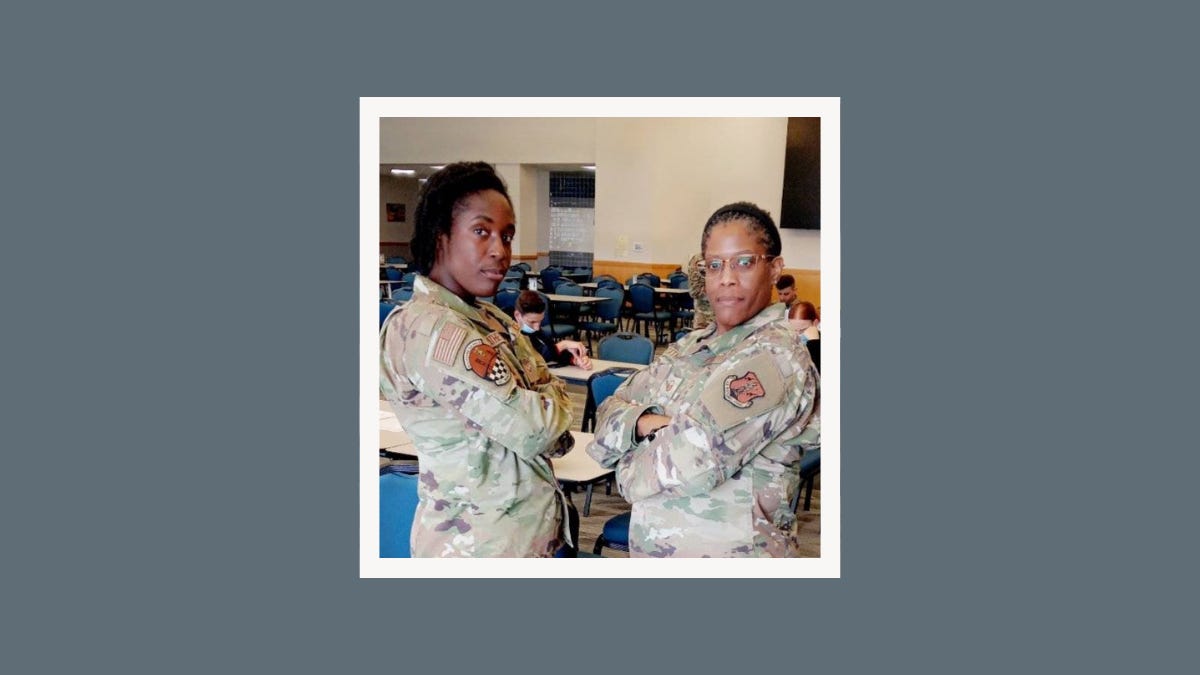
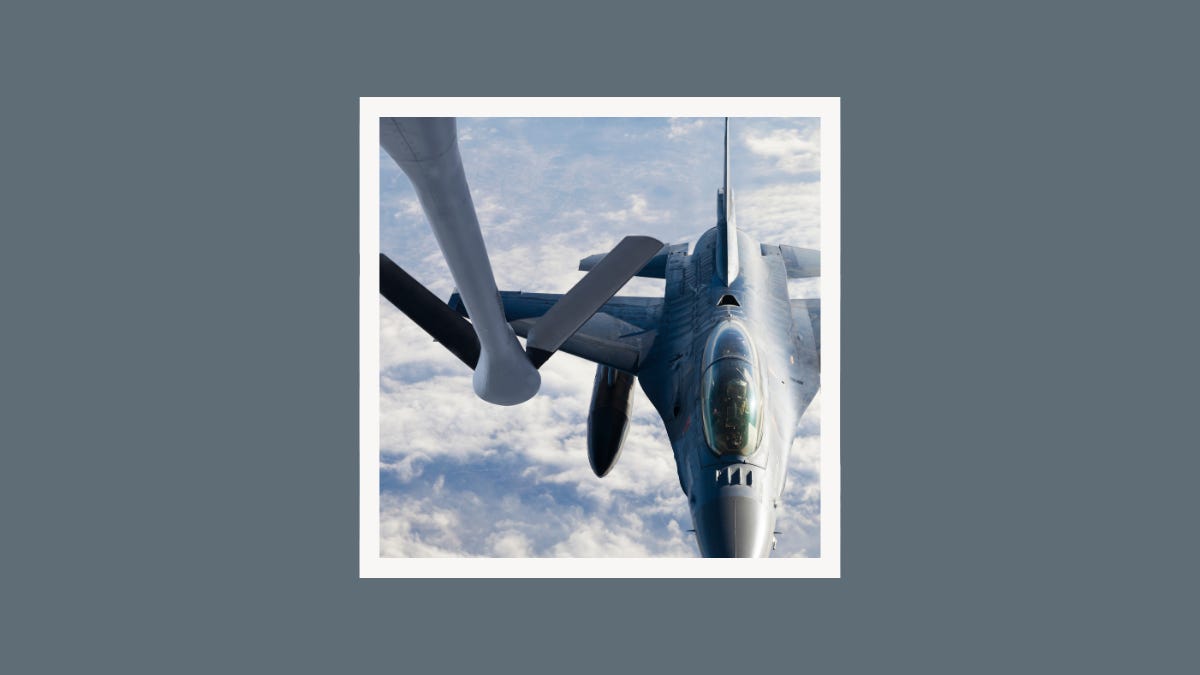
Michigan Air National Guard, out of Selfridge. Crew chief on a refueler. She got the emergency orders, then she activated, then she spent days still stateside — which has its own particular kind of suspended-animation feeling, for anyone who’s been there. And then this week, she left the country.
We don’t know exactly where. But she’s a crew chief on a refueler. You can do the math on where those are right now.
This is not something we’re watching on television.
I’ve been on both sides of the waiting. Not the combat side — my time overseas was training missions, and I want to be clear about that distinction. But I have been the one on the other side of the world while people at home refreshed the news with their stomach in their throat. And I have been the one at home doing exactly that, only knowing a heck of a lot more than what the mainstream media shows.
Those aren’t the same experience. I’m not going to pretend they are.
But here’s what they share: neither side has a manual for it. Nobody trains you for what it feels like to hold the mission and the worry simultaneously. Sure, there are family readiness trainings, and there’s also the “that’s just part of the job,” mentality.
But reality looks very different from an approved briefing in a binder. To keep building, keep showing up, keep running the group and answering the emails and doing the work — while someone you know is in terrain that makes all of it feel both very small and very large at the same time? That’s emotionally hard to do.
Civilians watch war on a screen. We watch it with a different part of our nervous system. We know what a 72-hour bag means. We know what it means when someone’s still stateside but the orders are real.
We know how awful it is for the service member to go to work and not be able to say with certainty, “I’ll be home tonight.”
We know the specific limbo of not-yet-but-soon. And we know what it costs to keep functioning through all of it like everything is normal, because the mission doesn’t pause.
We’re not completely cut off from her. When she can — which isn’t often — Teena drops a post into our community to let us know she’s okay. That’s it. No address. No way to send a care package. We can’t do anything on our end except make sure that when she does get a moment to check her accounts, she knows she’s not forgotten.
And we have her home address, so we can continue to love on her family while she’s gone.
That’s all we’ve got. And it’s enough to keep doing.
There’s no clean lesson here. I’m not going to wrap this with a framework or a three-step action item.
What I know is this: the women in this community understand something most people around them don’t. That service doesn’t end when you “get out.” That the community we built doesn’t stop being a community because someone got orders.
That holding space for a deployed teammate while also holding your own life together is its own kind of terrain — unscripted, unacknowledged, and real. No SOP. No training manual. Just you, doing the next thing.
Teena is in that terrain right now. And we’re here.
If you’ve been the one who left, or the one who stayed behind and kept things running — we want to hear from you. Reply to this post or drop a note at support@othersoverself.com. You don’t have to explain it fully. We already know some of what it feels like.
That’s why this community exists.
Be At Ease.