
The Unwritten Rules of Women Veteran Advocacy
I walked in with questions. The wilderness had answers I didn’t expect.

I didn’t walk into this field with a solution. I walked in with a number.
46% of women veterans don’t feel respected and valued.1
That statistic broke my heart. Not because it was surprising — but because of what it meant. There were already organizations. Already advocates. Already people on stages and in boardrooms and at policy tables speaking on behalf of military women. And nearly half of the women they were speaking for didn’t feel seen.
That told me something wasn’t working. It didn’t tell me what. So instead of walking in with answers, I started with questions. Week one wasn’t about having the solution — it was about beginning to understand the terrain.
What I found was messier than I expected. And more important than I knew.
If you’re standing at that same threshold right now — pulled in by a number, a story, a moment that made you think someone needs to do something — this is what I wish someone had handed me before I took my first step.
The Landscape Is Messier Than It Looks
Women veteran advocacy doesn’t have one front. It has several — and they talk to each other out of necessity and rarely listen.
There’s the political realm, where policy moves slowly and relationships are currency. There’s the bureaucratic realm — the VA, the DoD, the programs with long acronyms and longer wait times. There’s the nonprofit world, full of people doing genuinely important work, sometimes duplicating each other, sometimes competing for the same funding and the same stage. And then there are the women veterans themselves — the ones this whole thing is supposed to be for — who are frequently the last ones consulted.
These realms don’t operate the same way. What works in one can get you ignored — or worse, positioned as a threat — in another. You can be doing everything right by one standard and everything wrong by another, in the same week.
Here’s what nobody tells you upfront: there are a few loud voices in this space who operate as though they speak for all women veterans. They don’t. And most women veterans already know that — they feel under-represented, or misrepresented, or not represented at all. But that reality doesn’t often get said out loud, because saying it can cost you access, relationships, or opportunities in the very spaces you’re trying to work in.
So the first wilderness you walk into isn’t a problem you need to solve. It’s a reality you need to understand.
Just Because They Put You on the Stage Doesn’t Mean They’re Ready to Listen
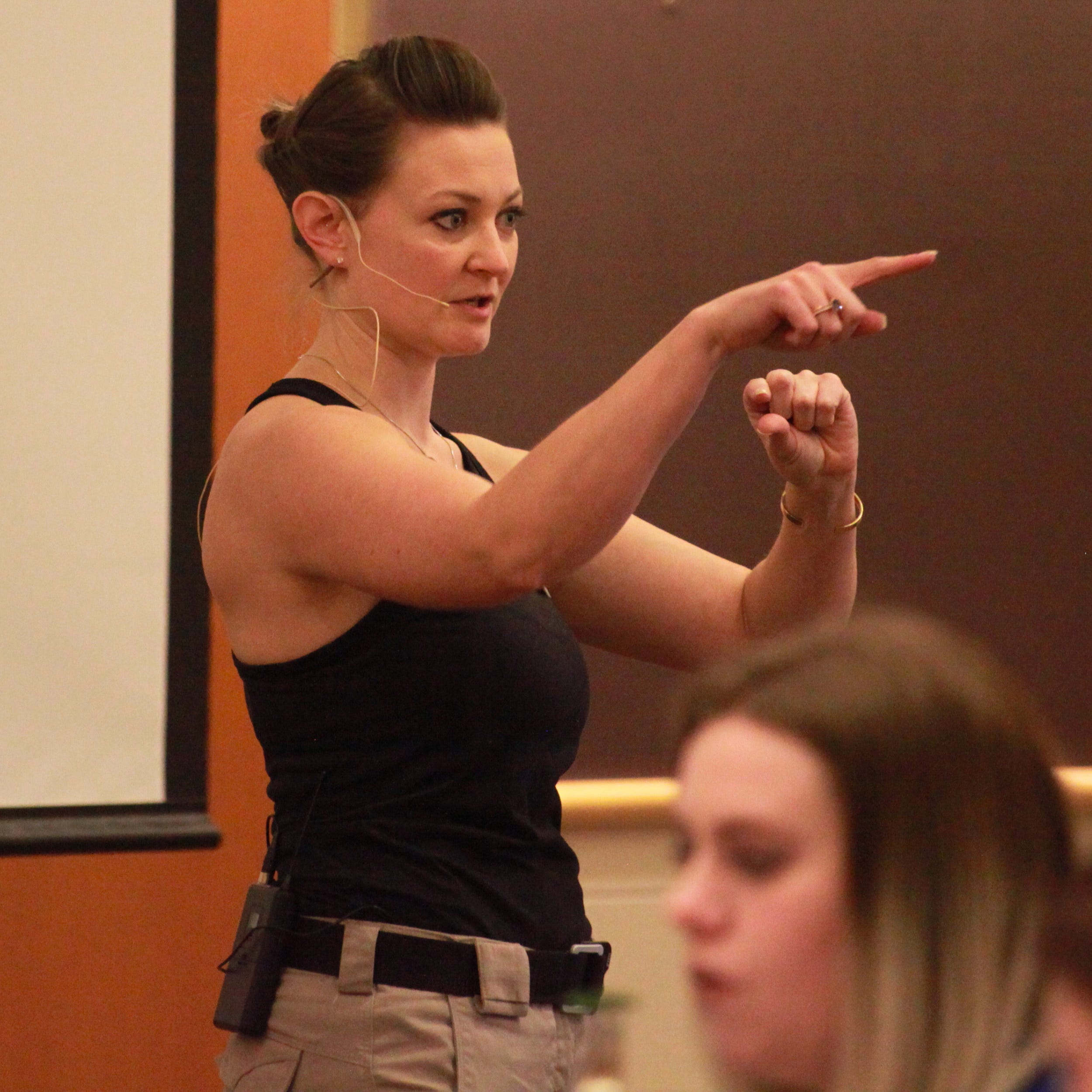
In 2021, I was booked as a keynote speaker for an American Legion state conference. The commander specifically requested a speech on the state of women veterans and military women. That took courage. He did the right thing.
The audience was cold.
Not hostile. Cold. The kind of cold that tells you this topic — women veterans, their experiences, their needs — still reads as uncomfortable or off-limits in certain rooms. Even rooms where the leadership has already decided it matters.
One person with the right instincts can’t thaw an audience who hasn’t been brought along yet. I had to recalibrate in real time. Before I could say anything about women veterans, I needed to understand who was in front of me — their experiences, their concerns, their frame of reference. I had to earn the right to speak before I’d been given a single word of trust.
That experience taught me that just because you’re on the stage doesn’t mean the room is ready. Audience readiness and leadership intention are not the same thing. You can be invited by someone who believes in the mission and still walk into a room that needs to be won.
And then there will be other rooms — rooms where the invitation itself wasn’t genuine. Where you’re the gesture, not the mission. Where someone needed to point to the moment and say, see — we addressed this. Learning to tell the difference early saves you a lot of energy.
In both cases, the answer is the same: persuasion. Not volume. Persuasion is the skill of understanding what someone already believes, what they fear, and what they need to feel safe — and finding the truth that meets them there. It’s winning hearts and minds, not winning arguments. Those are different campaigns.
Advocacy Is Not a Destination. It’s a Direction.
Before you go further, I want you to sit with a question that took me longer than I’d like to admit to ask myself.
Advocacy for what, exactly?
If the goal is to increase advocacy — to simply add your voice to the noise, to be seen as someone who cares — that is a shallow goal. And the women veterans you’re trying to serve deserve more than that.
I know this because I’ve been on the front page. I’ve had the spotlight. And I can tell you from that specific vantage point that visibility without a meaningful platform doesn’t move anything forward. It can actually give the appearance of progress while the real work goes undone.
Here’s something this community doesn’t say out loud enough: women veterans are still treated as a novelty. The spotlight gets offered not always because someone believes in the mission — but because having a military woman in the room makes the room look good. That spotlight can feel like momentum. It isn’t always.
Our women veterans deserve more than a spotlight with no platform behind it. They deserve advocates who walk into every room — warm or cold, genuine or performative — with a clear answer to the question: what am I actually here to change?
If you’re still working out your answer to that question, good. That’s the right place to start. Just don’t skip it.
You Are an Ally, Not a Competitor
The Wildflower Garden has eight patterns. And three of them — the Hollyhock, the Sunflower, and the Iris — are the ones most likely to walk into this work and accidentally treat it like a solo mission.
The Hollyhock needs community so deeply that she can unconsciously build one around herself rather than for others. The Iris leads with such precision and conviction that she can outpace the people she’s trying to bring along. And the Sunflower — that’s me, with a strong lean toward Iris — processes externally, moves fast, and can mistake momentum for movement.
When you’re extremely strong in any one pattern, there’s a real risk of heading out on your own — building something that reflects your flower more than it serves the community. I’ve done it. The drive that got me here is the same drive that has occasionally pulled me ahead of the people I’m supposed to be walking with.
Being loud and crass might win a battle or two. It gains attention. But it does not win the long campaign — and in a community that desperately needs to become an actual community, it moves us backward.
There is room for you here. You do not have to climb over anyone to do this work. The women veterans who feel unseen right now don’t need a new loudest voice. They need more people willing to pull up a chair, listen first, and build something bigger than any one of us.
The map for this terrain exists. It’s just not handed out at the door.
Welcome to the wilderness. I’m glad you’re here.
VOICES FROM THE FIELD
Have you stepped into women veteran advocacy and hit terrain you didn’t expect? Share your story in five sentences:
1. The moment: When did you realize the rules were different than you expected?
2. The bind: What impossible choice did the terrain create?
3. The reflex: What did your training tell you to do?
4. The cost: What did that reflex cost you?
5. What you see now: How do you understand it differently today?
Reply in the comments or email support@othersoverself.com — you can share with full attribution, first name only, or completely anonymous.
paraphrase of data produced in a report by the Service Women’s Action Network