

Make the call. Are you heading back into the race, or pulling into the garage?
My husband and I were an hour into the surgery block, sitting in the waiting room, when the surgeon walked out early. We recognized her right away because she was the same doctor who’d sat with us before they put our six-year-old under. English was her second language and she did a great job fast-talking us through every risk and every benefit until we understood exactly what we were agreeing to.
Standing in front of us now, she told us they weren’t doing as much as planned. The team elected not to perform the two procedures we’d prepared for. They’d watched his breathing while he was under and found the obstructions weren’t what anyone expected. They decided to pull back instead of push through.
Relief and whiplash arrived in the same breath.
Have you ever braced for the hardest version of something, only to have to recalibrate in real time when it doesn’t come?
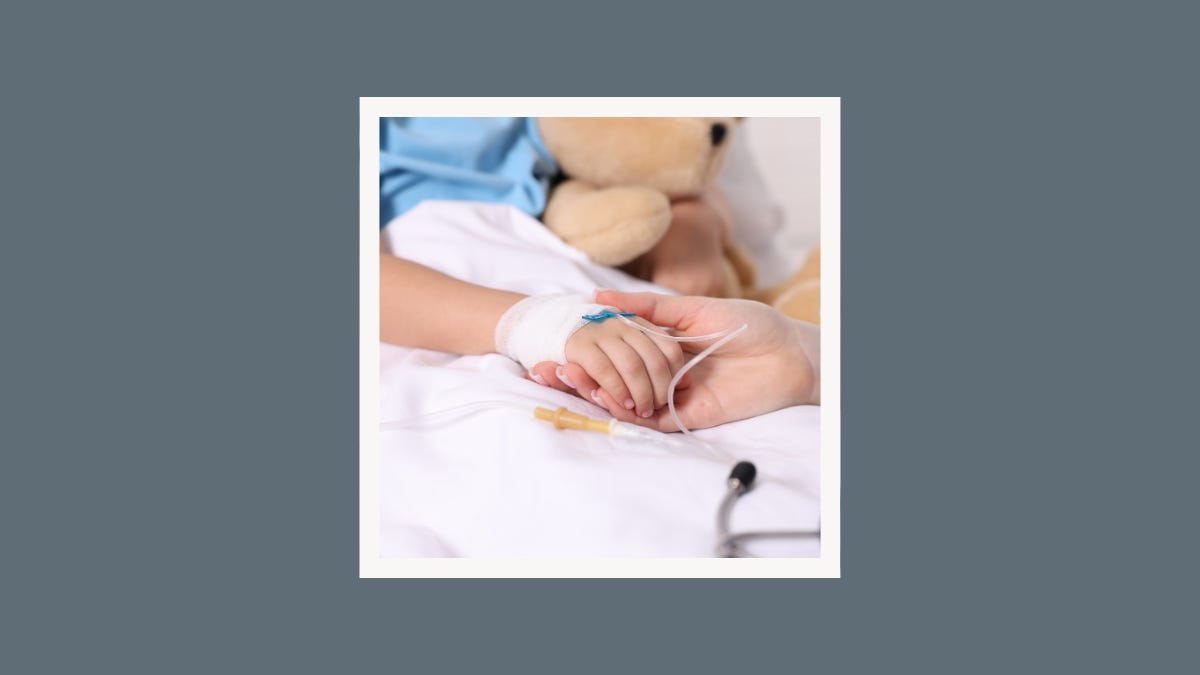
The surgery still ran three hours. He still needs a few days where someone is managing pain, meals, and rest, and that someone is me. Right now he’s on the couch, watching something on the screen, playing quietly with whatever’s within reach. I’m circling the house with a laundry basket, wondering what I’m supposed to do with myself.
My husband is at work right now, running his shift as a first responder, and I’m jealous of him in a way that surprised me until I understood where it was coming from. My life has never really settled into one place. It’s been built on mission tempo, one shift to the next, movement as the default setting for as long as I can remember. What’s hard right now isn’t just being the one who stays home. It’s sitting inside a transition point where I can’t see the next step clearly yet. He gets to walk out the door toward a mission he can name. I’m standing in my own hallway, and the mission is blurry.
If this caretaking season is where you're standing right now, I wrote about the terrain underneath it here: The Caretaking Wilderness.
You don’t need a spouse on shift or a child on the couch to know this pull. Maybe your version is a parent who needs you, or a job that requires you to hold the line while your own momentum stalls, or a season where the next mission hasn’t named itself yet.
Whatever shape it takes for you, the question underneath it is the same one I’m sitting with:
Do you name this as a pit stop, temporary and chosen?
Or do you let it become the trap you never agreed to?
This isn’t a task management problem. It’s a purpose problem, and purpose problems don’t resolve the same way.
When do you focus?
When do you shift?
What do you even call the space in between when neither one is fully true yet?
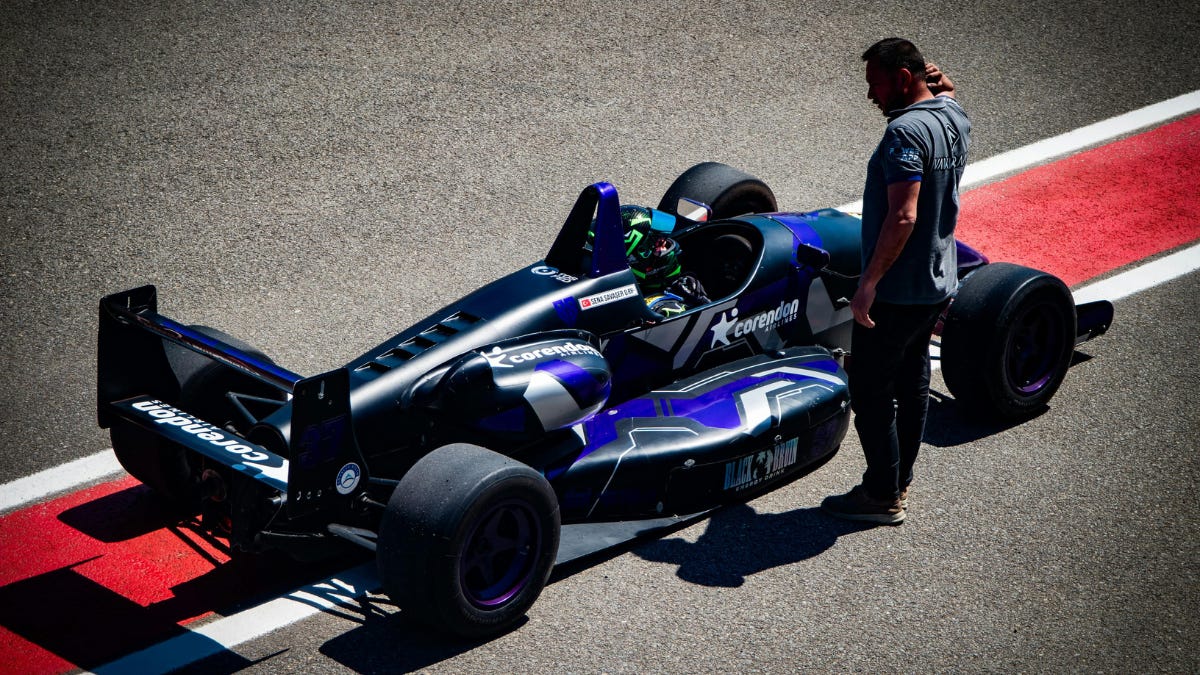
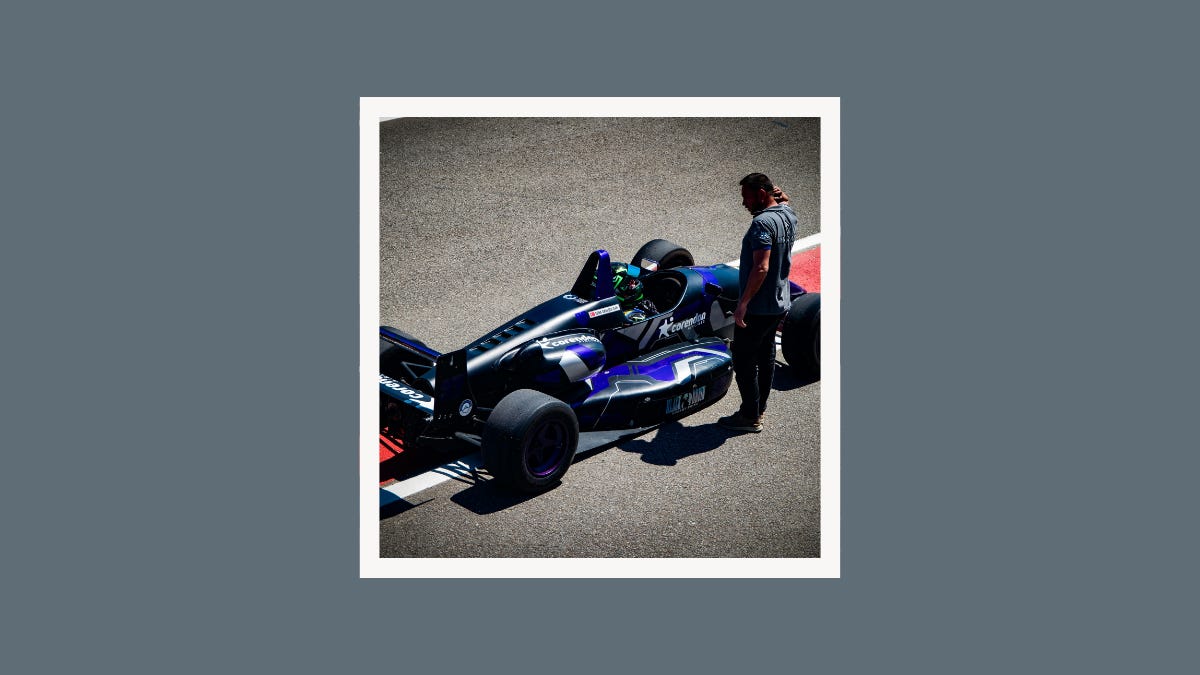
In Formula 1 racing, “box, box, box” is the radio call that means it’s time to come in. Fresh tires. A reset. So you’re ready for the next stretch of the race.
Racing → Pit stop → Racing
Going into the box was never the problem. Staying there without deciding to is.
Racing → Pit stop → Garage
See the difference?
Similar to a pit stop, being “at ease” is supposed to be a state of having relaxed, sustained attention. One foot planted toward what matters, even when you can’t move toward it yet.
Hardcore → Being At Ease → Hardcore
That’s different from switching yourself off and calling it rest. Rest with no direction underneath it starts to feel like disappearing.
Hardcore → Being At Ease → Rest
See the difference?
At ease, chosen on purpose, still has a direction.
So the shift isn’t forcing myself back onto the track before it’s my turn to leave. It’s naming the season for what it is. Laundry and food prep and sitting with a kid who needs his mom in the room, that’s not a break from the mission… it’s a pit stop.
For these few days, this pit stop is required for me to continue on my mission of being Hardcore (which at this phase of my life is the goal of getting my book published). I anticipate heading back onto the track come Tuesday. But for now, whether I like it or not, this pit stop is required.
Now, what happens if my son’s recovery goes longer than anticipated, or complications arise? Well, at that point, it might become the mission (the thing I have to be hardcore focused on) - but we’re not there yet, so my mindset shouldn’t be there either.
That’s called anxiety.
My teenager just woke up and offered to watch his brother for thirty minutes so I can get a run in. Thirty minutes isn’t the thirty mile hike my soul is crying for, but it’s enough to remind my body what motion feels like, and it will let me walk back into this duty day feeling more like myself.
I have to let these small steps in the pit stop count. Self care needs to be happening in all phases of life - yes, when you’re hardcore on mission, running your race… yes, when you’re in a pit stop, getting things ready again… yes, even when you’re at rest, recalibrating what’s to come.
If I were to give up intentional self care, I would be standing still through the whole season instead of moving through it. So I’m taking the run. I’m coming back. And I’m choosing to stay in the box on purpose, for as long as this recovery needs me here, because showing up consistently for the space my mind keeps rejecting is its own kind of discipline.
If you’re in your own version of this right now, you might not have the language for it either. That’s alright. Naming the season honestly is further than most people get.
This Tuesday marks one year of my video podcast, Hardcore and At Ease; fifty-five episodes, no gaps. Episode 56 is where I finally say some of what I’ve been circling for a year, including this. If you’ve ever done the smallest version of yourself in a room while your mind ran laps somewhere else, that episode is for you too.
So the next time you notice yourself being at ease, picture the pit stop too. Watch for the reason you pulled in. Then time how long you stay. The box only works if you know why you're in it and how long this season calls for it.
Then make the call; are you heading back into the race, or pulling into the garage?
Frame the Terrain. Name Your Flower. Nourish Your Flourish.