

I was looking for an outlet in one of the stalls, or even locating one near the back wall away from the traffic would have been okay. But there was only one available in the whole restroom and it was right there at the sink counter, in plain view of anyone who walked in. So that’s where I stood, in my interview clothes with a breast pump attached, in the Atlanta airport women’s bathroom, because my son was three months old and I was still nursing and I had a flight to catch and my pump needed to be plugged in.
My spouse was deployed overseas. I had arranged care for my son, the first time I’d left him since he was born, so I could fly to Charleston for an interview at another television station. They had reached out because my record at the Columbus station indicated I was ready for a larger market. They paid for my flight, and I was happy to accept the interview, knowing that I had earned that call. Standing at that sink counter doing what needed to be done before I could board, I was already the answer to the question the interview hadn’t asked yet.
The news director picked me up from the airport and we talked shop the whole drive over, the easy back-and-forth of two people in the same industry sizing each other up before the formal part begins. I felt good walking in. The general manager’s office was a square room with windows across the entire back wall overlooking a pond with a fountain. He had a stack of papers in his hand when I sat down across from him. I assumed it was my resume. He looked it over for a moment, then looked up at me and said something I had genuinely never heard from anyone in any professional setting in my life.
“Your military service. Doesn’t that keep you from thinking outside the box? Just following orders and doing as you’re told?”
I remember taking in his office. A square room. A man sitting squarely inside it, behind a square desk, asking me whether I was capable of thinking outside of a box. I had built my entire intelligence career on creative problem-solving in high risk situations. Surely he was joking, I thought, only he looked completely serious, so I answered him directly: “With all due respect, Sir, it’s quite the opposite. The military doesn’t care how you get the job done, they just want the job done, and figuring out how is a developed skill.” He grunted. I told him that failure is not usually an option, and that leaves a lot of room for Soldiers like me to succeed. I got the job. And I left that room carrying something I didn’t have the words for yet.
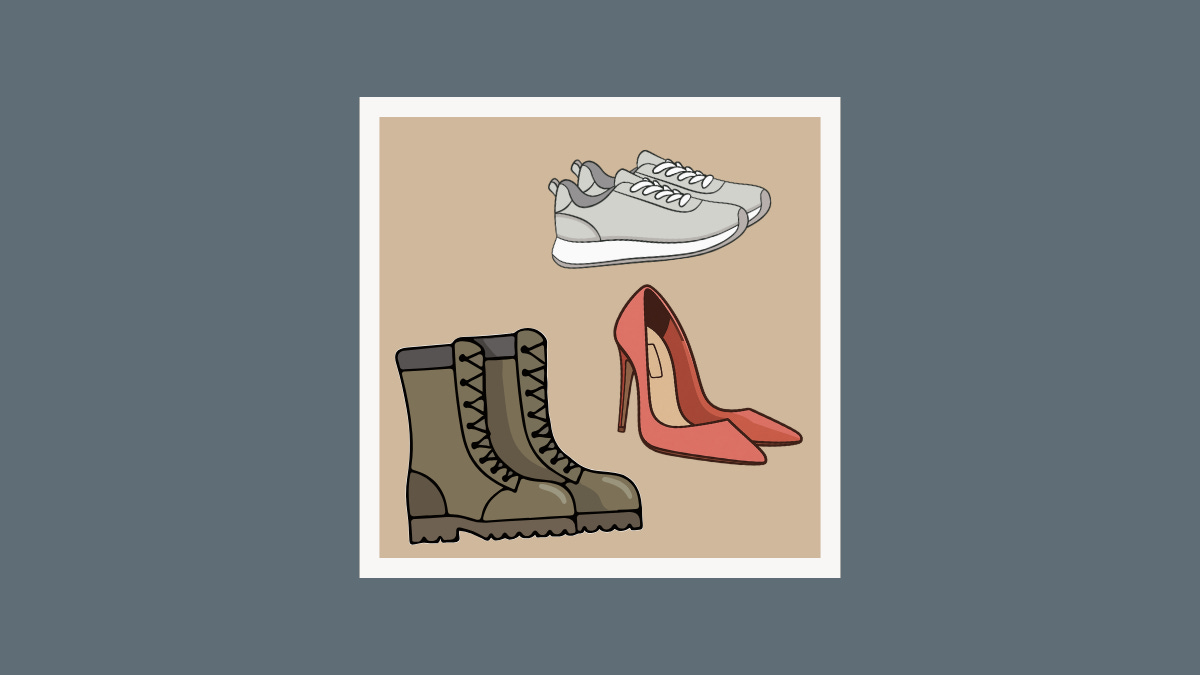
At that moment, I was confused that my military experience was being perceived as a bad thing, but as the years went on, I began to see that this man wasn’t alone in his viewpoint.
In this article, I’m going to show you how to recognize the Civilian Translation Gap so you can stop wondering what you did wrong and start reading the terrain for what it actually is. I’m going to name both sides of the bind — what it costs to lead with your record in rooms that can’t receive it, and what it costs to leave it behind — so you can see clearly that this was never a you problem. And I’m going to give you language for the pulls that have been working on your root system, because you cannot navigate terrain you haven’t named.
