

I have sat with women in the middle of losses that had no name. The divorce that was the right decision and still broke her heart. The retirement that looked like success from the outside and felt like loneliness on the inside. The estrangement that stretched into years and then into a phone call nobody was ready for. The sister first on the scene of a death by suicide. The mother whose child was gone. Every one of them had a different name for what they were feeling. Not one of them used the word, “grief”.

The hardest part of this terrain is that it does not look like what we think grief looks like. We have a picture of grief. It is crying. It is the moment of impact, the phone call, the news that stops the room. We think we will recognize it when it arrives because we expect it to announce itself.
It rarely does. It moves in quietly. It borrows other names. And by the time anyone thinks to call it grief, it has been in the room for a long time.
Why This Matters Right Now
Women veterans are navigating multiple simultaneous losses: military identity at separation, peer community that dissolves after service, career transitions that strip credibility built over decades, relationships that could not hold the weight of the uniform or the exit from it. Grief is inside all of that. It has been there the whole time, wearing the names of other things, waiting to be recognized.
We are not here to fix this. We are here to name it. Most of us have been navigating this terrain for a long time without knowing what it was called. This content is here to bring light to something most of us have been moving through in the dark.
Before we go in
I am going to show you how to recognize grief in the places it might be hiding, so that you can stop mistaking its disguises for personal failure and start navigating the terrain you are standing in.
Grief deserves more than one voice. So, I went looking for the people who had spent careers inside this terrain, who had earned their understanding not from a textbook but from the people who trusted them with the hardest moments of their lives.
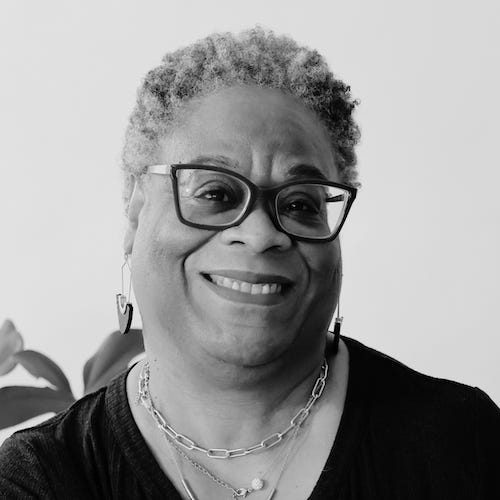
Major Laverne Santangelo (Ret.) served 23 years as a Military Police officer in the Michigan Army National Guard before earning her Master’s degree in Mental Health Counseling. She built a private practice specializing in grief recovery and holds a certification in grief yoga, trained in somatic approaches to grief processing: the understanding that we carry grief in the body, not only in the mind. She has walked this terrain from both sides, as a clinician and as a woman who lived it unnamed for years before she had the language.

Chaplain Brian Webb (Ret.) served over two decades as an Army chaplain, conducting 79 casualty notifications and more than 40 suicide interventions. He now leads Michigan’s Walking With Warriors program under the Michigan Department of Health and Human Services, overseeing a team of veteran navigators serving veterans and military families facing mental health and substance use challenges. He has stood in more doorways of grief than most people will encounter in a lifetime.
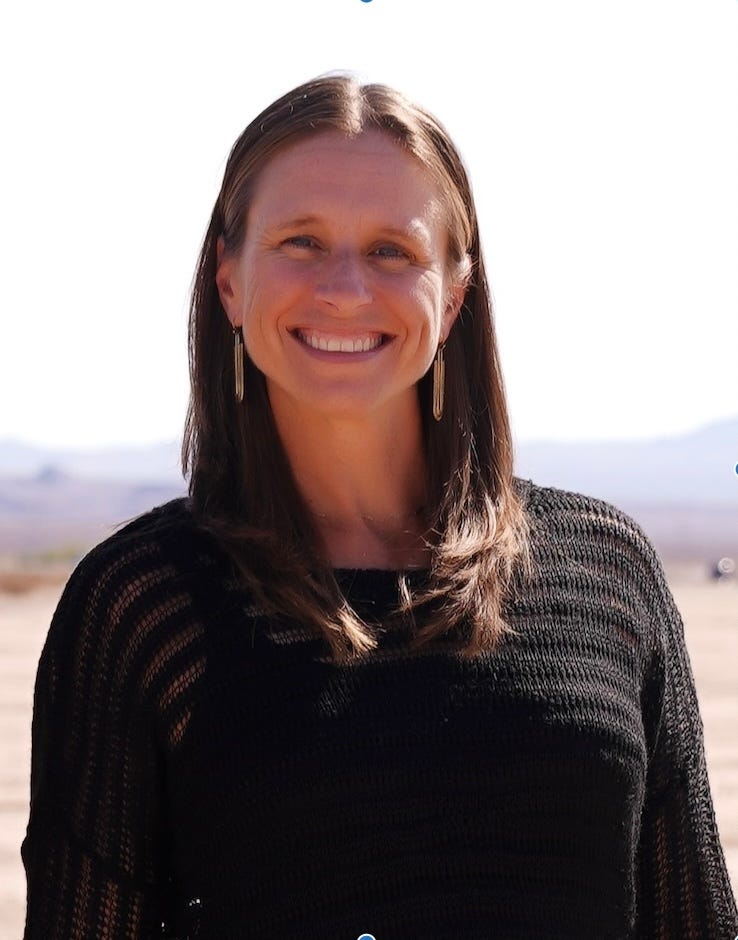
Sarah Merwin is a Navy veteran who lost her husband. She did not go looking for a mission after that. The mission found her. She co-founded Holbrook Farms, a lakefront retreat community in Minnesota, because she could see what was missing for women like her, and she was not willing to wait for someone else to build it. For over 12 years, Holbrook Farms has gathered military widows and women who have lost siblings and children in service, and given them something most of them have never had: a room full of people who already know. Sarah sat at the first retreat dinner table herself, planning to hold the container for everyone else in the room. She realized that night that she needed what she had built just as much as anyone sitting across from her. What she has spent 12 years proving is that peer support inside grief is not a lesser version of clinical care. It is something clinical care cannot replicate.
What all three of them said, in different ways, is the same thing: grief does not wait to be recognized. It moves through us named or unnamed. The only difference is what we can do with it once we can see it.
The Grief Wilderness: Naming the Terrain
Grief is any significant loss that changes the shape of your life and leaves you without a map for what comes next.
Sit with the second half of that sentence. That is where this terrain lives.
