
Built for a Different Body: Gear, technique, and what you solved without being asked
Part of The Wilderness mini-book series

The ruck frame sat too high.
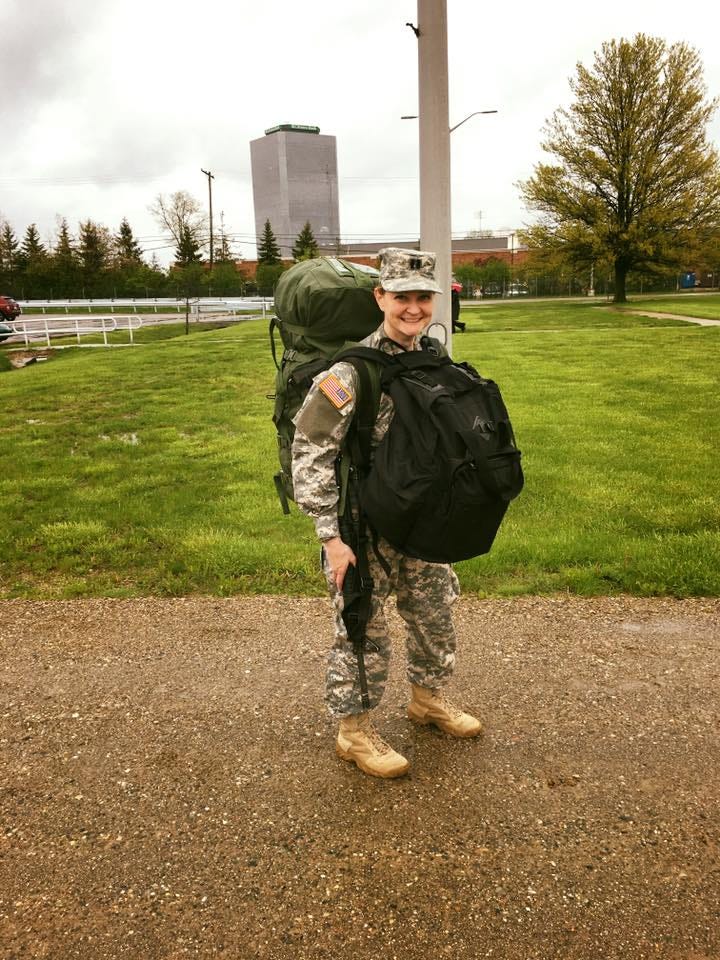
At 5’3”, the PT mat strapped above the pack didn’t clear behind my neck the way it did on the taller soldiers around me. It sat higher, a full three inches above my head. It pushed my Kevlar helmet forward. Not dramatically, just enough to tip the whole load forward, force my neck into a sustained angle, and make looking straight ahead a constant physical fight against the weight of everything strapped to my back. I looked, in other words, like a video game mushroom man. Jump-on-able. My drill sergeant did not find this charming.
I held the position anyway. That is what you do.
The gear belt had its own personality. My 26-inch waist was smaller than the minimum the system designed for, so the belt didn’t sit snug. It shifted. Over miles it found each hip bone and worked on it; friction that starts as a warning and becomes a fact. I walked like a cowboy for the first few weeks of any field exercise, which, combined with shorter legs requiring more steps to cover the same ground as everyone else, made for a very efficient and also very undignified situation.
The extra pouch I carried had no operational use in my loadout. The configuration existed, the system expected it, so I wore it. You find solutions. Deodorant under the belt line cuts friction better than you’d think. Two sports bras. Sometimes three. You figure it out, say nothing, and keep moving.
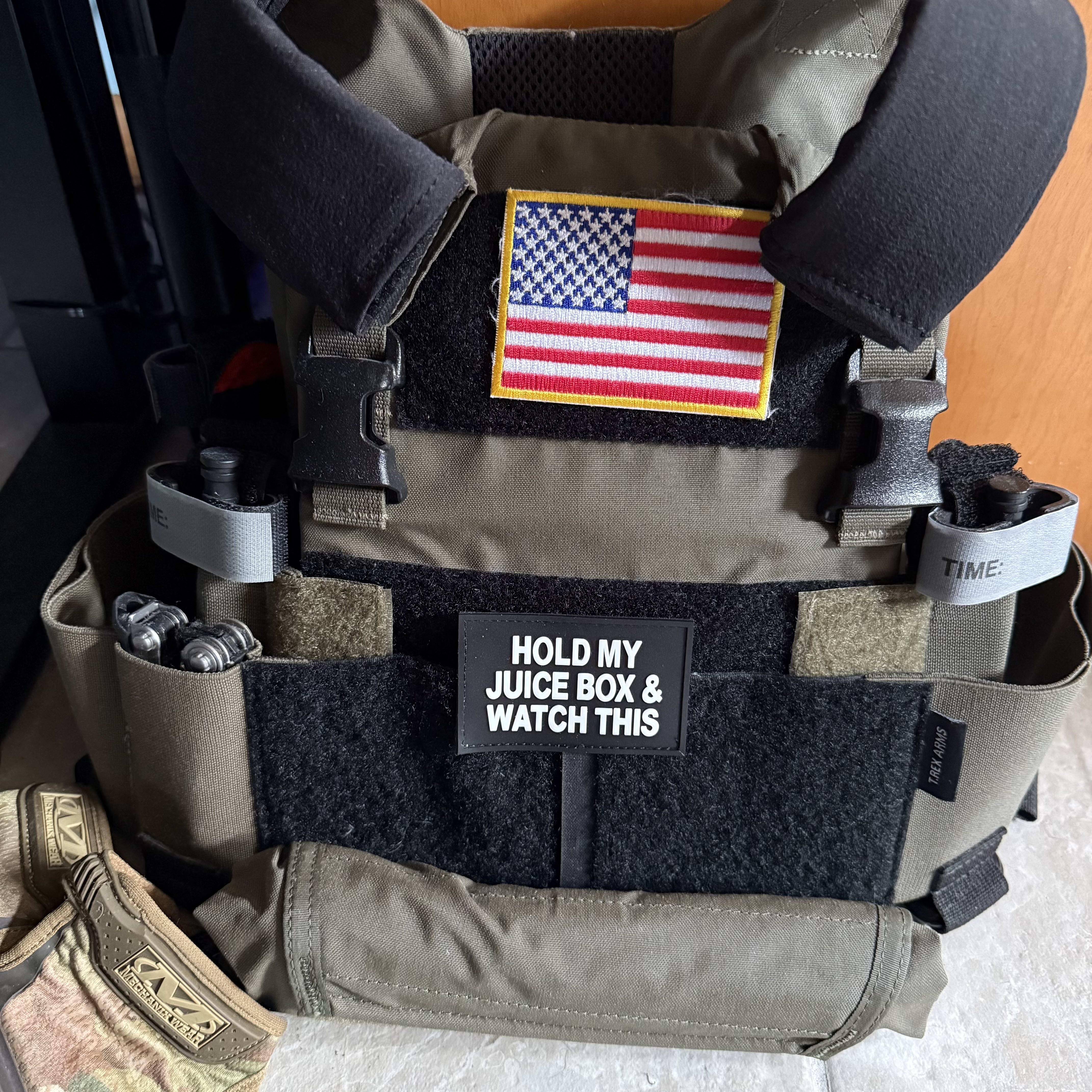
That is the pattern. You knew going in this was a male-dominated field. So did I. The field wasn’t the surprise. What accumulates as the surprise: the small daily weight of performing a standard in a body the system hadn’t fully accounted for yet. The accommodations that never get filed. The solutions that never get documented. The physical and operational weight that never gets counted.
This chapter counts it.
Fairness is not the question. What you carried to hold that standard is.
This guide is going to show you
how to name this terrain: the operating condition of serving with a female body in a system built around a male one. Naming it gives you a way to look back at your service without absorbing the gear gaps as personal failure or carrying them forward as grievance. The terrain was what it was. You held it. The system is catching up. None of that changes what your service was, or what it demanded of you to do it well.
This chapter covers what your body was required to do and what the system required of it. What was done to it is a different chapter, for a different day.
Two things happen when women encounter this terrain without language for it. Some absorb it as personal failure: the gear didn’t fit, so something must be wrong with my body. Others flip to the mirror: the gear didn’t fit, so the military failed me, I am owed something. Both responses come from the same root.
Without the name, she fills the gap with either self-blame or resentment.
Neither one tells the whole story.
Self-blame misses the terrain. Resentment misses the fact that you chose this field, you held the standard, and that counts for something the anger tends to bury. Both rob her of the ability to read her own service clearly.
This guide is going to show you how to set down both of those responses and pick up language for what you were in, so that you can look back at your service and be at ease with it: clear-eyed about the terrain, and at peace with the woman who held it.
